
|
 |
 |
 |
 04 - 09 - 2023, 02:06 PM
|
رقم المشاركة : ( 134031 ) | ||||
|
† Admin Woman †

|
 رد: وجبـــــــة روحيـــــ(†)ــــــــــة يوميـــــــــة
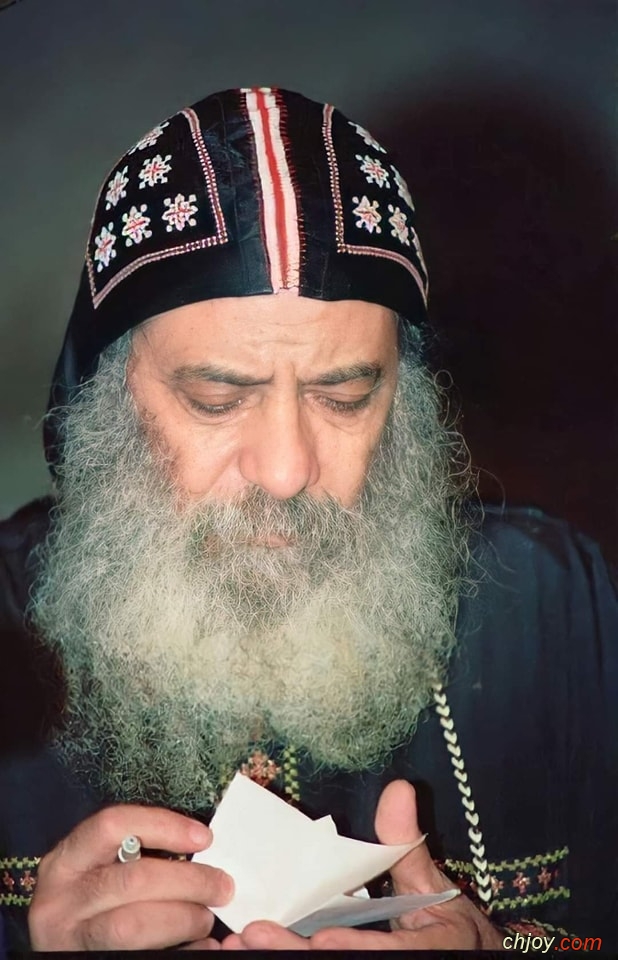 Pope Shenouda III The people's fast at the time of Esther All the people fasted together at the same time for one purpose, praying for one request of the Lord, and the Lord accepted their fast and granted them their request (Esth. 4). |
||||
|
04 - 09 - 2023, 02:07 PM
|
رقم المشاركة : ( 134032 ) | ||||
|
† Admin Woman †
|
رد: وجبـــــــة روحيـــــ(†)ــــــــــة يوميـــــــــة
Pope Shenouda III The fast of the people of Nineveh They all fasted together and not in secret, and the Lord accepted their fast and forgave them their sins (Jon.3). |
||||
|
04 - 09 - 2023, 02:08 PM
|
رقم المشاركة : ( 134033 ) | ||||
|
† Admin Woman †
|
رد: وجبـــــــة روحيـــــ(†)ــــــــــة يوميـــــــــة
Pope Shenouda III The people's fast at the time of Nehemiah and Ezra Nehemiah says: "Now on the twenty-fourth day of this month the children of Israel were assembled with fasting, in sackcloth, and with dust on their heads" (Neh.9: 1). And Ezra says: "Then I proclaimed a fast there at the river of Ahava, that we might humble ourselves before our God, to seek from Him the right way for us and our little ones and all our possessions" (Ezra 8:21). |
||||
|
04 - 09 - 2023, 02:08 PM
|
رقم المشاركة : ( 134034 ) | ||||
|
† Admin Woman †
|
رد: وجبـــــــة روحيـــــ(†)ــــــــــة يوميـــــــــة
Pope Shenouda III The fast at the time of Joel The Bible says: " 'Now, therefore,’ says the Lord, 'Turn to Me with all your heart, with fasting, with weeping, and with mourning.’... consecrate a fast, call a sacred assembly; gather the people, sanctify the congregation, assemble the elders, gather the children and nursing babes; let the bridegroom go out from his chamber, and the bride from her dressing room" (Joel 2: 12-17). |
||||
|
04 - 09 - 2023, 02:09 PM
|
رقم المشاركة : ( 134035 ) | ||||
|
† Admin Woman †
|
رد: وجبـــــــة روحيـــــ(†)ــــــــــة يوميـــــــــة
Pope Shenouda III The Apostles' fast in the New Testament When the Lord Jesus Christ was asked why His disciples did not fast, He replied: "But the days will come when the bridegroom will be taken away from them, and then they will fast" (Matt.9: 15). The Apostles did fast together and not in secret, and the Lord accepted their fast. Some examples of the Apostles' fasts: "As they ministered to the Lord and fasted, the Holy Spirit said, 'Now separate to Me Barnabas and Saul for the work to which I have called them.' Then, having fasted and prayed, and laid hands on them... " (Acts 13: 2,3). |
||||
|
04 - 09 - 2023, 02:10 PM
|
رقم المشاركة : ( 134036 ) | ||||
|
† Admin Woman †
|
رد: وجبـــــــة روحيـــــ(†)ــــــــــة يوميـــــــــة
Pope Shenouda III St. Paul fasted for a long time together with all the people on the ship (Acts 27:21) Therefore communal fasting is acceptable and is a Biblical doctrine. It is proof of the oneness of soul in worship and in approaching God, especially if the purpose of the fast is a matter that concerns the whole community, or if the whole community partakes in the fast, as they do in prayer, in one soul. |
||||
|
04 - 09 - 2023, 02:10 PM
|
رقم المشاركة : ( 134037 ) | ||||
|
† Admin Woman †
|
رد: وجبـــــــة روحيـــــ(†)ــــــــــة يوميـــــــــة
Pope Shenouda III There is no hypocrisy in communal fasting In communal fasting there is no distinction between one person and the other. The level and depth of the fast of each individual remains ‘in secret’. In the New Testament there is not one single verse that prevents communal fasting. |
||||
|
04 - 09 - 2023, 02:12 PM
|
رقم المشاركة : ( 134038 ) | ||||
|
† Admin Woman †
|
رد: وجبـــــــة روحيـــــ(†)ــــــــــة يوميـــــــــة
Pope Shenouda III Reply to the objection of fasting in set times Fasting in set times is also a Biblical doctrine, as the Lord defines in the Book of the Prophet Zechariah: "The fast of the fourth month, the fast of the fifth, the fast of the seventh, and the fast of the tenth" (Zech.8: 19). The reason of defining times for fasting may be to regulate communal worship. Occasions of fasts in Christianity have Christian implications: each fast has its own spiritual aim, effect and reason. |
||||
|
04 - 09 - 2023, 02:14 PM
|
رقم المشاركة : ( 134039 ) | ||||
|
† Admin Woman †
|
رد: وجبـــــــة روحيـــــ(†)ــــــــــة يوميـــــــــة
Pope Shenouda III Reply to the phrase "...let no one judge you" The Apostle did not say: "Let no one judge you in fasts", but he said: "...let no one judge you in food or in drink." By this he meant the unclean foods forbidden to the Jews and the types of food which they considered impure. This reminds us of the vision which St. Peter the Apostle saw in connection with directing Cornelius. The Apostle saw a great sheet in which were all kinds of food and he heard a voice telling him to kill and eat. But Peter said: " ‘Not so, Lord! For I have never eaten anything common or unclean.’ And a voice spoke to him again the second time, 'What God has cleansed you must not call common' " (Acts 10: 14,15). It was regarding these foods which were considered impure and unclean, that the Apostle Paul said: "...let no one judge you in food or in drink. " For at the beginning of Christianity, the first people who became Christians were Jews who tried to “Judaize” Christianity, that is, to bring into Christianity all the Jewish customs such as unclean food, purification, keeping the Sabbath, moon festivals, celebrations of the beginning of months and Jewish feasts (such as the Passover, the Unleavened Bread, the Trumpets, the Tents and the Atonement Day), and we have discussed this issue before here on st-takla.org in other pages. St. Paul wanted to resist the Judaization of Christianity. That is why he said: "Therefore let no one judge you in food or in drink, or regarding a festival or a new moon or sabbaths, which are a shadow of things to come" (Col.2: 16,17). Hence this was not an occasion of talking about fasting but it was an occasion of talking about the Jewish customs which the converted Jews wanted to bring into Christianity. Fasting in set times is also a Biblical doctrine, as the Lord defines in the Book of the Prophet Zechariah: "The fast of the fourth month, the fast of the fifth, the fast of the seventh, and the fast of the tenth" (Zech.8: 19). The reason of defining times for fasting may be to regulate communal worship. Occasions of fasts in Christianity have Christian implications: each fast has its own spiritual aim, effect and reason. |
||||
|
04 - 09 - 2023, 02:15 PM
|
رقم المشاركة : ( 134040 ) | ||||
|
† Admin Woman †
|
رد: وجبـــــــة روحيـــــ(†)ــــــــــة يوميـــــــــة
Pope Shenouda III The Apostle did not say: "Let no one judge you in fasts", but he said: "...let no one judge you in food or in drink." By this he meant the unclean foods forbidden to the Jews and the types of food which they considered impure. |
||||





 العرض العادي
