
|
 |
 |
 |
 21 - 07 - 2023, 01:18 PM
|
رقم المشاركة : ( 128981 ) | ||||
|
† Admin Woman †

|
 رد: وجبـــــــة روحيـــــ(†)ــــــــــة يوميـــــــــة
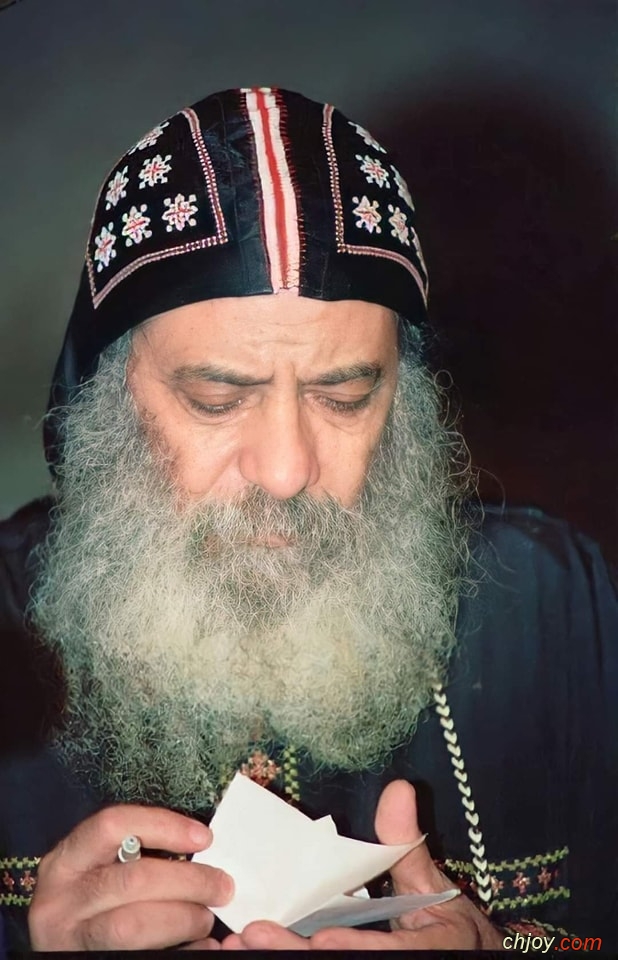 Pope Shenouda III |
||||
|
21 - 07 - 2023, 01:19 PM
|
رقم المشاركة : ( 128982 ) | ||||
|
† Admin Woman †
|
رد: وجبـــــــة روحيـــــ(†)ــــــــــة يوميـــــــــة
Pope Shenouda III |
||||
|
21 - 07 - 2023, 01:20 PM
|
رقم المشاركة : ( 128983 ) | ||||
|
† Admin Woman †
|
رد: وجبـــــــة روحيـــــ(†)ــــــــــة يوميـــــــــة
Pope Shenouda III The same applies to what St. Paul the Apostle said to his disciple Timothy, the Bishop of Ephesus: "And the things that you have heard from me among many witnesses, commit these to faithful men who will be able to teach others also" (2Tim.2:2). Here the Apostle refers to the word ‘hear’ and not ‘write'. He did not tell us what his disciple heard from him. But undoubtedly, that teaching was entrusted from St. Paul to St. Timothy then to faithful and reliable persons who in turn entrusted them to others. Thus the entrustment continued successively until it reached us. |
||||
|
21 - 07 - 2023, 01:21 PM
|
رقم المشاركة : ( 128984 ) | ||||
|
† Admin Woman †
|
رد: وجبـــــــة روحيـــــ(†)ــــــــــة يوميـــــــــة
Pope Shenouda III Those who insist on proving everything by a verse from the Holy Bible disregard what the Apostle said about 'face to face" (2John. 12), the Apostles' instructions concerning the churches, which they did not record (1Cor.11: 34), the Apostles' commands to their disciples (Titus 1: 5) and the Apostolic teachings which turned into life and practice in the Church without being a verse from an Epistle or the Gospels. |
||||
|
21 - 07 - 2023, 01:22 PM
|
رقم المشاركة : ( 128985 ) | ||||
|
† Admin Woman †
|
رد: وجبـــــــة روحيـــــ(†)ــــــــــة يوميـــــــــة
Pope Shenouda III We mention, to illustrate this point, the consecration of Sunday as the Lord's Day All Christians who only believe in the Holy Bible and oppose Church Tradition, consecrate Sunday instead of Saturday as the Lord's Day and do not adhere to the literal meanings of the verses: "Remember the Sabbath day, to keep it holy" (Ex.20: 8) and "Observe the Sabbath day, to keep it holy" (Deut.5: 12), |
||||
|
21 - 07 - 2023, 01:22 PM
|
رقم المشاركة : ( 128986 ) | ||||
|
† Admin Woman †
|
رد: وجبـــــــة روحيـــــ(†)ــــــــــة يوميـــــــــة
Pope Shenouda III From where do they derive the teaching of consecrating Sunday instead of Saturday? Is it from the Holy Bible or from Tradition? Undoubtedly, it is from Tradition because there is not one single verse which says: "Remember Sunday, to keep it holy" or "Observe Sunday, to keep it holy. In it you shall do no work". |
||||
|
21 - 07 - 2023, 01:23 PM
|
رقم المشاركة : ( 128987 ) | ||||
|
† Admin Woman †
|
رد: وجبـــــــة روحيـــــ(†)ــــــــــة يوميـــــــــة
Pope Shenouda III The consecration of Sunday has been a Church Tradition, observed by the Apostles who took it from the teaching of the Lord Jesus Christ; it is not mentioned plainly in the Gospels but there are references in the Book of Acts that imply this Divine entrustment. So the matter changed to a professed practice of the Church without the need for a written commandment. A proof of acknowledging Tradition is the unanimity of all Churches in keeping Sunday holy. |
||||
|
21 - 07 - 2023, 01:23 PM
|
رقم المشاركة : ( 128988 ) | ||||
|
† Admin Woman †
|
رد: وجبـــــــة روحيـــــ(†)ــــــــــة يوميـــــــــة
Pope Shenouda III There is a reference in the Epistle of St. Paul the Apostle that he received teachings from the Lord Regarding the Sacrament of the Eucharist, the Apostle says: "For I received from the Lord that which I also delivered to you: that the Lord Jesus on the same night in which He was betrayed took bread" (1Cor.11: 23). Here the Apostle speaks about the entrustment he received from the Lord and which he commanded to the church in Corinth. The Holy Bible does not tell us how and when the Apostle Paul received it from the Lord. He is giving us an idea about the Church dogmas and how they entered the Church through entrustment. |
||||
|
21 - 07 - 2023, 01:24 PM
|
رقم المشاركة : ( 128989 ) | ||||
|
† Admin Woman †
|
رد: وجبـــــــة روحيـــــ(†)ــــــــــة يوميـــــــــة
Pope Shenouda III We know from the Gospels that the Apostles received the Sacrament of the Eucharist from the Lord. But the Apostles did not tell us how they entrusted it to the Church. It was not necessary to write it down but what matters is that the Church lives and practises this Sacrament. However, St. Paul mentioned this entrustment. |
||||
|
21 - 07 - 2023, 01:25 PM
|
رقم المشاركة : ( 128990 ) | ||||
|
† Admin Woman †
|
رد: وجبـــــــة روحيـــــ(†)ــــــــــة يوميـــــــــة
Pope Shenouda III The Apostles recorded in their Epistles things they received through Tradition (a) We have previously mentioned some of them and now we shall add what Jude the Apostle mentioned in his Epistle regarding the dispute between Archangel Michael and Satan about the body of Moses. He said: "Yet Michael the archangel, in contending with the devil, when he disputed about the body of Moses, dared not bring against him a reviling accusation, but said, ‘The Lord rebuke you!’ " (Jude 9). None of this was mentioned in the Old Testament, so Jude probably knew it through Tradition. (b) When the Apostle Paul was describing the fear of the people on receiving the Law, he said: "And so terrifying was the sight that Moses said, 'I am exceedingly afraid and trembling' " (Heb.12:21). This phrase attributed to Moses was not recorded either in the Book of Exodus or Deuteronomy. So probably the Apostle Paul knew it through Tradition. (c) We also add what is mentioned in the Book of Revelation about Balaam's perversion, the details of which are not recorded in the Book of Numbers (Num.24: 25). In the Book of Revelation, it is written: "...because you have there those who hold the doctrine of Balaam, who taught Balak to put a stumbling block before the children of Israel, to eat things sacrificed to idols, and to commit sexual immorality" (Rev.2: 14). In the Book of Numbers it is mentioned that the people did that but not that it was Balaam's doctrine. So probably St. John the Visionary who wrote the Book of Revelation knew it through Tradition. Also on the subject of Balaam is what the Apostle Peter mentioned: "They have forsaken the right way and gone astray, following the way of Balaam the son of Beor, who loved the wages of unrighteousness" (2Pet.2: 15), and also what the Apostle Jude mentioned: "...they have gone in the way of Cain, have run greedily in the error o Balaam for profit, and perished in the rebellion of Korah" (Jude 11). (e) Likewise, St. Jude spoke about Enoch's prophecy which is not mentioned in the Old Testament. He said: "Now Enoch, the seventh from Adam, prophesied about these men also, saying, 'Behold, the Lord comes with ten thousands of His saints, to execute judgement on all, to convict all who are ungodly among them of all their ungodly deeds which they have committed in an ungodly way, and of all the harsh things which ungodly sinners have spoken against Him"' (Jude 14,15). The source of this prophecy must have been Tradition. (f) We notice that the commandment of circumcision was entrusted to our Father Abraham by God (Gen.17) and commanded to people through entrustment before the existence of a written Law commanding it. |
||||





 العرض العادي
