
|
 |
 |
 |
 24 - 06 - 2023, 04:54 PM
|
رقم المشاركة : ( 125881 ) | ||||
|
† Admin Woman †

|
 رد: وجبـــــــة روحيـــــ(†)ــــــــــة يوميـــــــــة
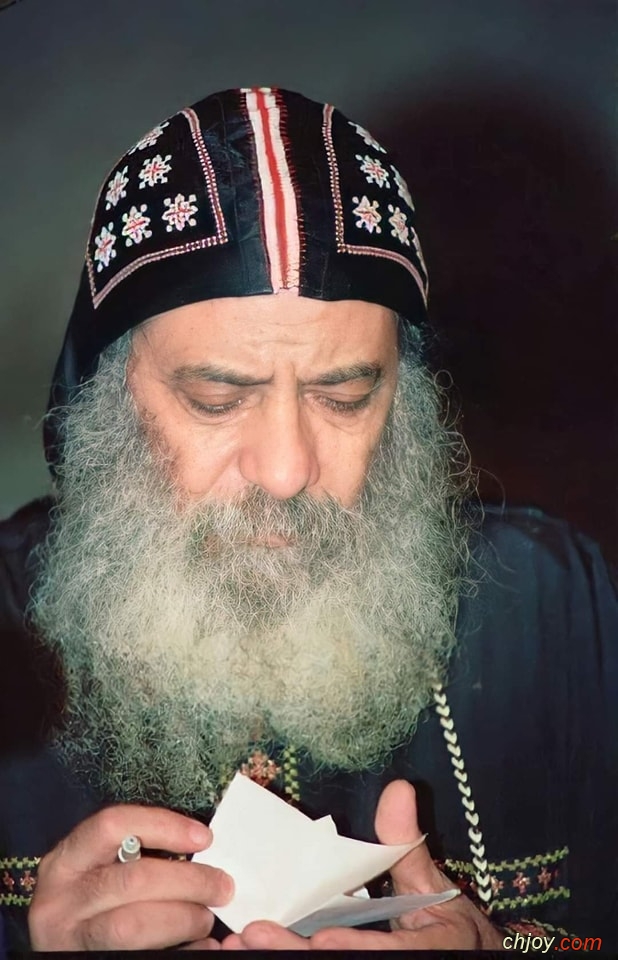 Pope Shenouda III The Apostles considered preaching, teaching, ministry of the word and entrusting the faith to others, their main task, and we have discussed this issue before here on st-takla.org in other pages. On the occasion of ordaining the seven deacons, St. Peter the Apostle said: "...but we will give ourselves continually to prayer and to the ministry of the word" (Acts 6: 4) and he said about the Lord: "...He commanded us to preach to the people" (Acts 10:42). St. Paul the Apostle said about the Gospel: "...to which I was appointed a preacher, an apostle, and a teacher of the Gentiles" (2Tim. 1: 11). Thus this Apostle lived preaching the kingdom of God and teaching about the Lord Jesus Christ (Acts 28:31). |
||||
|
24 - 06 - 2023, 04:55 PM
|
رقم المشاركة : ( 125882 ) | ||||
|
† Admin Woman †
|
رد: وجبـــــــة روحيـــــ(†)ــــــــــة يوميـــــــــة
Pope Shenouda III St. Paul the Apostle entrusted the task of teaching and preaching to his disciples the bishops. He said to his disciple St. Timothy: "Preach the word! Be ready in season and out of season. Convince, rebuke, exhort, with all longsuffering and teaching" (2Tim.4: 2). And to his disciple Bishop Titus, he said: "Speak these things, exhort, and rebuke with all authority. Let no one despise you" (Titus 2:15). |
||||
|
24 - 06 - 2023, 04:56 PM
|
رقم المشاركة : ( 125883 ) | ||||
|
† Admin Woman †
|
رد: وجبـــــــة روحيـــــ(†)ــــــــــة يوميـــــــــة
Pope Shenouda III The task of teaching was entrusted to bishops, then to priests and clergymen in general, as we will mention in detail in due course, since the Law is sought from the mouth of the clergyman. Holy councils of bishops were formed and had the authority to legislate laws and canons in the holy Church. The replies of many of the bishops on religious affairs were considered sacred canons recognised by the Universal Church. A vivid example of this is what occurred during the visit of Pope Timothy Alexandrus, the 22nd Pope of Constantinople, to the Ecumenical Council held in 381 A. D. All his replies were considered Church canons. (See Volume 14 of Nicene and Post Nicene Fathers series). |
||||
|
24 - 06 - 2023, 04:57 PM
|
رقم المشاركة : ( 125884 ) | ||||
|
† Admin Woman †
|
رد: وجبـــــــة روحيـــــ(†)ــــــــــة يوميـــــــــة
Pope Shenouda III As for the laity, they were always in the position of learners. The clergymen became teachers not only because they preached from the Church pulpit but also because of them being spiritual counsellors in confessions and the like. |
||||
|
24 - 06 - 2023, 04:58 PM
|
رقم المشاركة : ( 125885 ) | ||||
|
† Admin Woman †
|
رد: وجبـــــــة روحيـــــ(†)ــــــــــة يوميـــــــــة
Pope Shenouda III Faith and doctrine were the task of the Church, represented by her councils and bishops, and were interpreted by the clergymen to the people. Preachers are not entitled to teach their own opinions on the subjects of faith and doctrine but they must teach what is recorded in the Church doctrine entrusted to them. For if the freedom is given to every person to spread his own opinions, we will have differing dogmas and we cannot call this the Church doctrine. |
||||
|
24 - 06 - 2023, 04:58 PM
|
رقم المشاركة : ( 125886 ) | ||||
|
† Admin Woman †
|
رد: وجبـــــــة روحيـــــ(†)ــــــــــة يوميـــــــــة
Pope Shenouda III Man has freedom of belief but he does not have the freedom to teach according to his own thoughts because heresies sprang from the different schools of teaching. When Luther started to teach according to his own thoughts and was followed by Calvin, Zwingli and others, a new schism occurred in the Church. As time passed, many contradicting dogmas were formed, and what the Church knew as "one faith" began to fade away. |
||||
|
24 - 06 - 2023, 04:59 PM
|
رقم المشاركة : ( 125887 ) | ||||
|
† Admin Woman †
|
رد: وجبـــــــة روحيـــــ(†)ــــــــــة يوميـــــــــة
Pope Shenouda III Everyone is free in his belief. But the freedom of belief might divert and turn into heresies and heterodoxies that are exterior to the one faith of the Church. The Church, who has been alert over the faith to maintain it, does not allow this to happen nor does she give the authority of teaching to everyone, but examines the sayings of the teachers against the faith entrusted to the saints. Thus the saying of St. Paul the Apostle (Gal. 1:9) remains a fixed criterion. |
||||
|
24 - 06 - 2023, 04:59 PM
|
رقم المشاركة : ( 125888 ) | ||||
|
† Admin Woman †
|
رد: وجبـــــــة روحيـــــ(†)ــــــــــة يوميـــــــــة
Pope Shenouda III Sometimes the reason for an error in faith or teaching is due to mixing with different dogmas, or being influenced by them and their teachers, or by being disciples of such teachers or their writings. Sometimes the reason for an error in faith is due to one's sticking to one's own opinion, neither accepting any change nor obeying the Church. Most probably the reason behind this is pride in the heart convincing the person that he is right and whoever objects to his opinion is wrong, and that he understands what no-one else does. |
||||
|
24 - 06 - 2023, 05:02 PM
|
رقم المشاركة : ( 125889 ) | ||||
|
† Admin Woman †
|
رد: وجبـــــــة روحيـــــ(†)ــــــــــة يوميـــــــــة
Pope Shenouda III Throughout her history, the Church has been cautious to safeguard the teaching from distortion. Just one wrong teaching of one ex-priest such as Arius, caused two popes, namely, Pope Peter the Seal of the Martyrs and Pope Alexandrus, to intervene. A council was held in Alexandria attended by a hundred bishops from Alexandria and Libya and another council was held at Nicea in 325 A.D. attended by 318 bishops from all over the world. All this was caused by one priest's error in teaching. There was a danger of his teaching spreading and nobody said: "Leave the matter alone; there is freedom of belief"! |
||||
|
24 - 06 - 2023, 05:03 PM
|
رقم المشاركة : ( 125890 ) | ||||
|
† Admin Woman †
|
رد: وجبـــــــة روحيـــــ(†)ــــــــــة يوميـــــــــة
Pope Shenouda III The first schism in the Church occurred in the middle of the fifth century, in 451 AD, due to the different teachings on the Nature of Christ. Another schism occurred in the 11th century between the Roman Catholics and the Byzantine Orthodox due to the different teachings on the procession of the Holy Spirit. A third major schism occurred in the 15th century caused by Luther, the establisher of Protestantism. Different dogmas sprang up afterwards within Protestantism. |
||||





 العرض العادي
