
|
 |
 |
 |
 08 - 06 - 2023, 11:47 AM
|
رقم المشاركة : ( 123271 ) | ||||
|
† Admin Woman †

|
 رد: وجبـــــــة روحيـــــ(†)ــــــــــة يوميـــــــــة
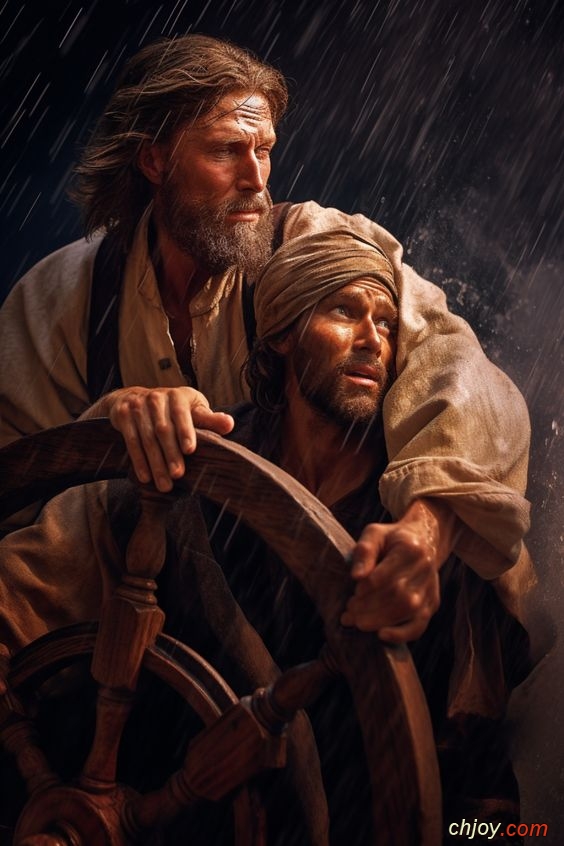 Triumphal entry: (Matthew 21:1–11, 14–17; Mark 11:1–11; Luke 19:29–44; John 12:12–19) – Jesus’ triumphal entry into Jerusalem the week before the crucifixion is the basis of what is known as Palm Sunday. The multitudes who greeted Him laid palm branches in the road for Him, but their worship of Him was short-lived. In just a few days, these same crowds would be calling for His death, shouting “Crucify him! Crucify him!” (Luke 23:20-21). But as He rode into Jerusalem on the back of a donkey’s colt—signifying His lowliness and humble state—He received the adoration of the crowd and their acknowledgement of His messianic claim. Even the little children welcomed Him, demonstrating that they knew what the Jewish leaders did not, that Jesus was the Messiah. Jesus’ entry into Jerusalem fulfilled the Old Testament prophecy of Zechariah repeated in John 12:15: “See, your king is coming, seated on a donkey's colt.” |
||||
|
08 - 06 - 2023, 11:48 AM
|
رقم المشاركة : ( 123272 ) | ||||
|
† Admin Woman †
|
رد: وجبـــــــة روحيـــــ(†)ــــــــــة يوميـــــــــة
Birth: (Matthew 1—2; Luke 2) – Within these passages are all the elements of the well-known Christmas story, the beginning of the earthly life of Christ. Mary and Joseph, no room at the inn, the babe in the manger, the shepherds with their flocks, a multitude of angels rejoicing. We also see wise men from the East following the star to Bethlehem and bearing gifts for the Christ child, and Joseph, Mary, and Jesus escape to Egypt and later return to Nazareth. These passages also include Jesus being presented at the temple at eight days old and, at twelve years old, remaining behind at the temple speaking with the teachers there. The story of the birth of the Savior two thousand years ago is amazing, filled with exquisite and meaningful details treasured by those present as well as believers millennia after. But the story of God coming to earth as a man began thousands of years earlier with the prophecies of the coming Messiah. God spoke of a Savior in Genesis 3:15. Centuries later, Isaiah foretold of a virgin who would conceive and bear a son and call His name Emmanuel, which means “God with us” (Isaiah 7:14). The first of the key events in the life of Christ is the humble beginning in a stable, when God came to be with us, born to set His people free and to save us from our sins. |
||||
|
08 - 06 - 2023, 11:49 AM
|
رقم المشاركة : ( 123273 ) | ||||
|
† Admin Woman †
|
رد: وجبـــــــة روحيـــــ(†)ــــــــــة يوميـــــــــة
Baptism: (Matthew 3:13-17; Mark 1:9-11; Luke 3:21-23) – Jesus’ baptism by John the Baptist at the Jordan River is the first act of His public ministry. John’s was a baptism of repentance, and although Jesus did not need such a baptism, He consented to it in order to identify Himself with sinners. In fact, when John balked that Jesus wanted to be baptized by him, saying that it was he, John, who should be baptized by Jesus, Jesus insisted. Jesus said, "It is proper for us to do this to fulfill all righteousness," so John did as requested (Matthew 3:13-15). In His baptism, Jesus identified with the sinners whose sins He would soon bear on the cross where He would exchange His righteousness for their sin (2 Corinthians 5:21). The baptism of Christ symbolized His death and resurrection, prefigured and lent importance to Christian baptism, and publicly identified Christ with those for whom He would die. In addition, His identity as the long-awaited Messiah was confirmed by God Himself who spoke from heaven: “This is my Son, whom I love; with him I am well pleased” (Matthew 3:17). Finally, Jesus’ baptism was the scene of the very first appearance of the Trinity to man. The Son was baptized, the Father spoke, and the Holy Spirit descended like a dove. The Father’s command, the Son’s obedience, and the Holy Spirit’s empowerment present a beautiful picture of the ministry and life of Christ. |
||||
|
08 - 06 - 2023, 11:49 AM
|
رقم المشاركة : ( 123274 ) | ||||
|
† Admin Woman †
|
رد: وجبـــــــة روحيـــــ(†)ــــــــــة يوميـــــــــة
First miracle: (John 2:1-11) – It is fitting that John’s Gospel is the only one that records Jesus’ first miracle. John’s account of the life of Christ has as its theme and purpose to reveal the deity of Christ. This event, where Jesus turns water into wine, shows His divine power over the elements of the earth, the same power that would be revealed again in many more miracles of healing and the control of the elements such as wind and the sea. John goes on to tell us that this first miracle had two outcomes—the glory of Christ was manifest and the disciples believed in Him (John 2:11). The divine, glorified nature of Christ was hidden when He assumed human form, but in instances such as this miracle, His true nature burst forth and was made manifest to all who had eyes to see (Matthew 13:16). The disciples always believed in Jesus, but the miracles helped to strengthen their faith and prepare them for the difficult times that lay ahead of them. |
||||
|
08 - 06 - 2023, 11:50 AM
|
رقم المشاركة : ( 123275 ) | ||||
|
† Admin Woman †
|
رد: وجبـــــــة روحيـــــ(†)ــــــــــة يوميـــــــــة
Sermon on the Mount: (Matthew 5:1-7:29) – Perhaps the most famous sermon of all time was preached by Jesus to His disciples early in His public ministry. Many memorable phrases that we know today came from this sermon, including “blessed are the meek for they shall inherit the earth,” “salt of the earth,” “an eye for an eye,” “the lilies of the field,” “ask and you will receive,” and “wolves in sheep’s clothing,” as well as the concepts of going the extra mile, turning the other cheek, and the left hand not knowing what the right hand is doing. Also in the sermon is the Lord’s Prayer. Most importantly, though, the Sermon on the Mount dealt a devastating blow to the Pharisees and their religion of works-righteousness. By expounding the spirit of the Law and not just the letter of it, Jesus left no doubt that legalism is of no avail for salvation and that, in fact, the demands of the Law are humanly impossible to meet. He ends the sermon with a call to true faith for salvation and a warning that the way to that salvation is narrow and few find it. Jesus compares those who hear His words and put them into practice to wise builders who build their houses on a solid foundation; when storms come, their houses withstand. |
||||
|
08 - 06 - 2023, 12:05 PM
|
رقم المشاركة : ( 123276 ) | ||||
|
† Admin Woman †
|
رد: وجبـــــــة روحيـــــ(†)ــــــــــة يوميـــــــــة
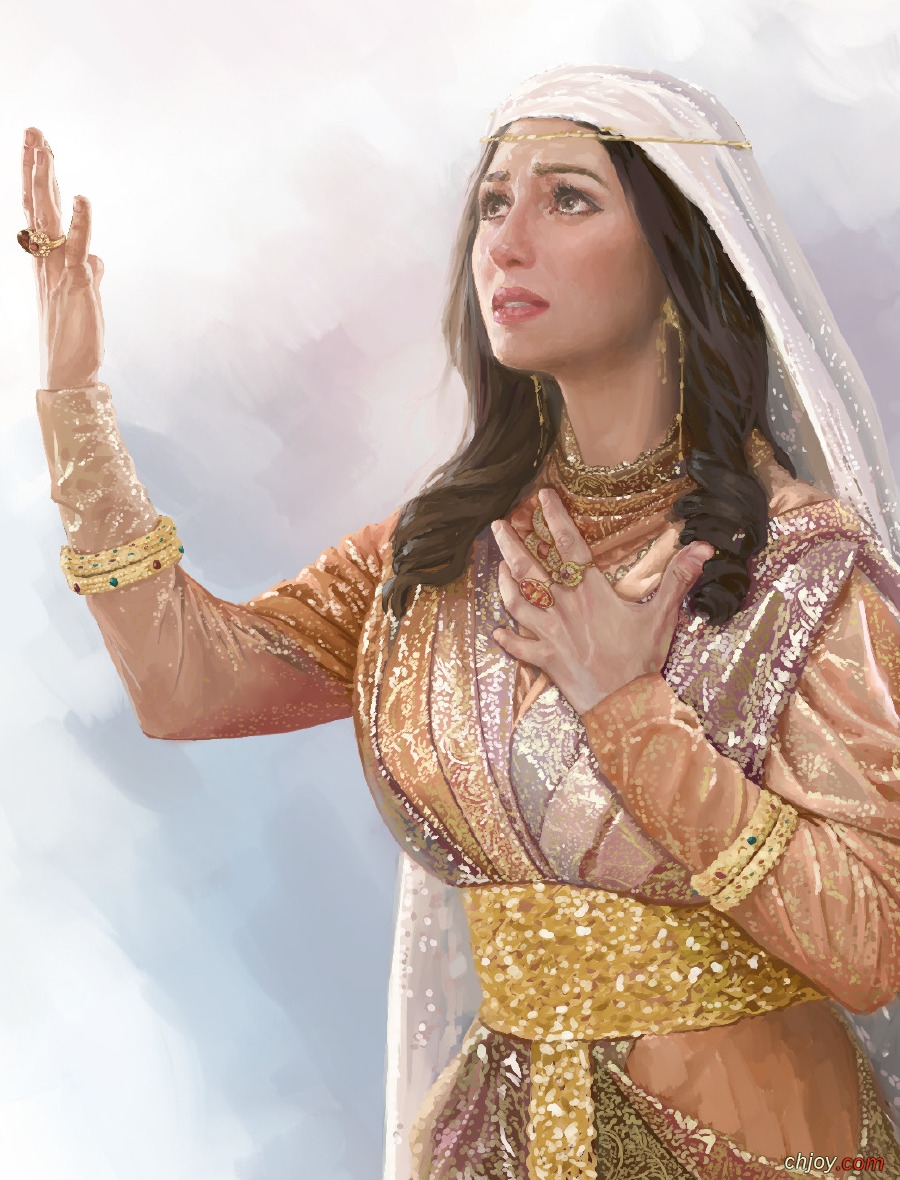 Esther is the Jewish maiden who became queen of Persia and rescued her people from a murderous plot to annihilate them. Her story is recorded in the Old Testament book bearing her name. The Jewish Feast of Purim celebrates this particular deliverance of the Jews. |
||||
|
08 - 06 - 2023, 12:06 PM
|
رقم المشاركة : ( 123277 ) | ||||
|
† Admin Woman †
|
رد: وجبـــــــة روحيـــــ(†)ــــــــــة يوميـــــــــة
The story of Esther begins with a king's banquet. King Ahasuerus (also called Xerxes) was the son of the famed Persian king Darius I, who is mentioned in Ezra 4:24; 5:5–7; 6:1–15; Daniel 6:1, 25; Haggai 1:15; and 2:10. The year of the incident between Esther and King Xerxes was about 483 BC. The empire of King Ahasuerus was enormous; in fact, it was the largest the world had ever seen. Persia covered the area now known as Turkey, as well as Iraq, Iran, Pakistan, Jordan, Lebanon, and Israel; it also encompassed sections of modern-day Egypt, Sudan, Libya, and Saudi Arabia. |
||||
|
08 - 06 - 2023, 12:06 PM
|
رقم المشاركة : ( 123278 ) | ||||
|
† Admin Woman †
|
رد: وجبـــــــة روحيـــــ(†)ــــــــــة يوميـــــــــة
As with most of the pagan Gentile kings of that day, King Xerxes enjoyed putting on public displays of his wealth and power, which included feasts that sometimes lasted for as long as 180 days. Evidently, during the feast that is mentioned in Esther 1:10–11, the king requested that his wife, Queen Vashti, come before the entire gathering of officials to show them her great beauty wearing her crown. The speculation is that King Xerxes wanted Vashti to appear wearing only the crown. Queen Vashti refused the king's request, and he became enraged. King Xerxes consulted his advisors in the law who declared that Vashti had wronged all the people of the land. They feared that the women of Persia would hear of Vashti's refusal to obey her husband and begin to despise their own husbands. They suggested the king issue a decree throughout the land that Vashti could never again enter his presence. The king did so, proclaiming the edict in all the provincial languages. |
||||
|
08 - 06 - 2023, 12:07 PM
|
رقم المشاركة : ( 123279 ) | ||||
|
† Admin Woman †
|
رد: وجبـــــــة روحيـــــ(†)ــــــــــة يوميـــــــــة
With Vashti vanquished, the king was without a queen. Xerxes’ attendants suggested he make a search for beautiful virgins throughout the land to find a new queen. Josephus, the Jewish historian, records that King Ahasuerus chose a total of 400 women to fill the harem and act as candidates for the new queen (Esther 2:1–4). The women were to undergo a year's worth of beauty treatments before meeting the king (verse 12). Esther, a Jewess whose Hebrew name was Hadassah, was chosen as one of the virgins (verse 8). |
||||
|
08 - 06 - 2023, 12:07 PM
|
رقم المشاركة : ( 123280 ) | ||||
|
† Admin Woman †
|
رد: وجبـــــــة روحيـــــ(†)ــــــــــة يوميـــــــــة
Until the time that the virgins were brought to the king, they were kept in the harem under the care of Hegai (Esther 2:8); afterward their meeting, because they were no longer virgins, they were moved to the area set aside to house the concubines—or mistresses—where they were put under the watchful eye of another eunuch, named Shaashgaz (verse 14). |
||||





 العرض العادي
