
|
 |
 |
 |
 06 - 06 - 2023, 06:10 PM
|
رقم المشاركة : ( 123071 ) | ||||
|
† Admin Woman †

|
 رد: وجبـــــــة روحيـــــ(†)ــــــــــة يوميـــــــــة
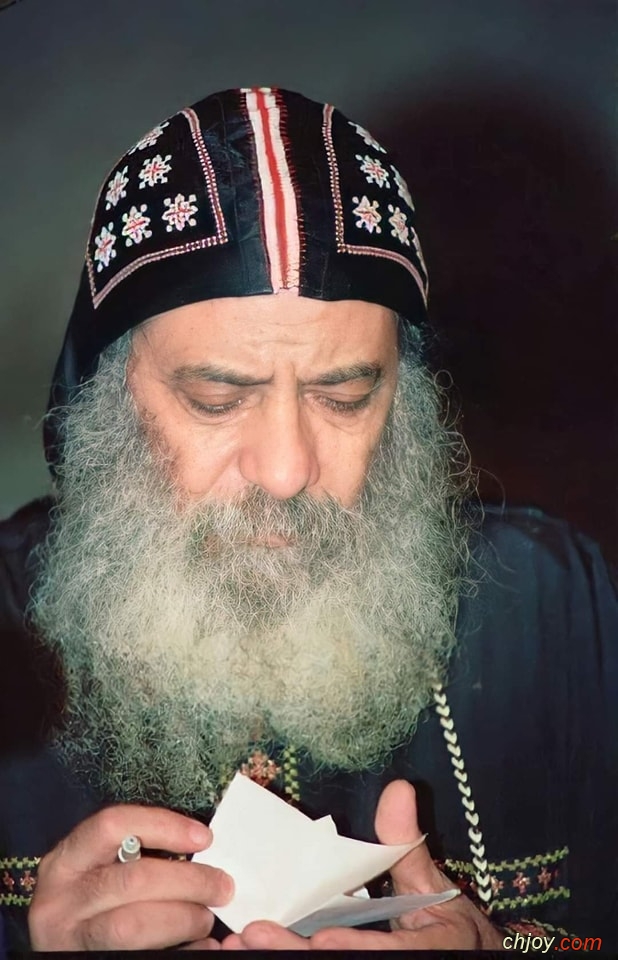 Pope Shenouda III Jonah The power and beauty of this repentance is that it was a general repentance. Everyone repented, everyone returned to God, everyone believed in Him. More than one hundred and twenty thousand persons entered the Lord's fold, one and all. If there is joy in heaven over one person's repentance what shall we say about the joy brought about by more than one hundred and twenty thousand persons who previously could not discern between their right hand and their left? Thus succeeded the second aim in God's design. The Ninevites were saved as the mariners had previously been saved. Now it is Jonah's turn. |
||||
|
07 - 06 - 2023, 09:14 AM
|
رقم المشاركة : ( 123072 ) | ||||
|
† Admin Woman †
|
رد: وجبـــــــة روحيـــــ(†)ــــــــــة يوميـــــــــة
 The Apostle John is the author of five New Testament books: the gospel of John, the three short epistles that also bear his name (1, 2, and 3 John) and the book of Revelation. John was part of Jesus’ “inner circle” and, along with Peter and James, John was given the privilege of witnessing Jesus’ conversation with Moses and Elijah on the mount of the transfiguration (Matthew 17:1-9). His importance in the twelve grew as he matured, and after the crucifixion, he became a “pillar” in the Jerusalem church (Galatians 2:9), ministered with Peter (Acts 3:1, 4:13, 8:14), and finally was exiled to the island of Patmos by the Romans, where he received from God the majestic visions that comprise the book of Revelation. |
||||
|
07 - 06 - 2023, 09:20 AM
|
رقم المشاركة : ( 123073 ) | ||||
|
† Admin Woman †
|
رد: وجبـــــــة روحيـــــ(†)ــــــــــة يوميـــــــــة
In spite of these youthful expressions of misdirected passion, John aged well. He began to understand the need for humility in those who desired to be great. John’s is the only gospel that records Jesus washing the disciples’ feet (John 13:4-16). Jesus’ simple act of servanthood must have impacted John greatly. By the time of the crucifixion, Jesus had enough confidence in the young man to turn the care of His mother over to him, a charge John took very seriously. From that day on, John cared for her as if she were his own mother (John 19:25-27). John’s rash request for special honor in the kingdom had given way to a compassion and humility that would characterize his ministry in his later life. Although he remained courageous and bold, his ambition was balanced by the humility he learned at Jesus’ feet. This willingness to serve others and suffer for the sake of the gospel must have enabled him to bear his final imprisonment on Patmos where, according to reliable historical sources, he lived in a cave, cut off from those he loved, and was treated with cruelty and reproach. In the opening of the book of Revelation, which he received from the Holy Spirit during this time, he referred to himself as ‘your brother and companion in the suffering and kingdom and patient endurance that are ours in Jesus” (Revelation 1:9). He had learned to look beyond his earthly sufferings to the heavenly glory that awaits all who patiently endure. |
||||
|
07 - 06 - 2023, 09:21 AM
|
رقم المشاركة : ( 123074 ) | ||||
|
† Admin Woman †
|
رد: وجبـــــــة روحيـــــ(†)ــــــــــة يوميـــــــــة
John was passionately devoted to the proclamation of truth. No one in Scripture, except the Lord Jesus, had more to say about the concept of truth. His joy was proclaiming the truth to others and then watching them walk in it (3 John 4). His strongest condemnation was for those who perverted the truth and led others astray, especially if they claimed to be believers (1 John 2:4). His passion for truth fueled his concern for the sheep who might be deceived by false teachers, and his warnings about them take up much of 1 John. He had no qualms about identifying as “false prophets” and “antichrists” those who tried to pervert the truth, even proclaiming them to be demonic in nature (1 John 2:18, 26, 3:7, 4:1-7). |
||||
|
07 - 06 - 2023, 09:21 AM
|
رقم المشاركة : ( 123075 ) | ||||
|
† Admin Woman †
|
رد: وجبـــــــة روحيـــــ(†)ــــــــــة يوميـــــــــة
At the same time, John is also called the “apostle of love.” In his own gospel, he refers to himself as “the one whom Jesus loved” (John 13:23, 20:2, 21:7, 21:20). He is depicted as the one leaning against Jesus’ breast at the last supper. His brief second epistle is filled with expressions of his deep love for those in his care. He addresses his first epistle to a group of believers “whom I love in the truth” and exhorts them to “love one another” by walking in obedience to Jesus’ commands (1 John 1:1, 5-6). |
||||
|
07 - 06 - 2023, 09:22 AM
|
رقم المشاركة : ( 123076 ) | ||||
|
† Admin Woman †
|
رد: وجبـــــــة روحيـــــ(†)ــــــــــة يوميـــــــــة
John’s life serves to remind us of several lessons which we can apply to our own lives. First, zeal for the truth must always be balanced by a love for people. Without it, zeal can turn to harshness and judgmentalism. Conversely, abundant love that lacks the ability to discern truth from error can become gushing sentimentality. As John learned as he matured, if we speak the truth in love, we, and those we touch, will “in all things grow up into him who is the Head, that is, Christ” (Ephesians 4:15). |
||||
|
07 - 06 - 2023, 09:22 AM
|
رقم المشاركة : ( 123077 ) | ||||
|
† Admin Woman †
|
رد: وجبـــــــة روحيـــــ(†)ــــــــــة يوميـــــــــة
Second, confidence and boldness, untempered by compassion and grace, can quickly turn to pride and smugness. Confidence is a wonderful virtue, but without humility, it can become self-confidence, which can lead to boasting and an attitude of exclusiveness. When that happens, our witness of the grace of God is tainted, and others see in us exactly the kind of person they wish not to be. Like John, if we are to be effective witnesses for Christ, our demeanor should be one that reflects a passion for the truth, compassion for people, and a steadfast desire to serve and represent our Lord by reflecting His humility and grace. |
||||
|
07 - 06 - 2023, 09:25 AM
|
رقم المشاركة : ( 123078 ) | ||||
|
† Admin Woman †
|
رد: وجبـــــــة روحيـــــ(†)ــــــــــة يوميـــــــــة
Love is an interior disposition that cannot be described adequately, but one can specify conditions and manifestations. In this way it is possible, by close attention to the wisdom of the Fathers, to define different steps in the love of enemies, from the most elementary to the highest. The first step, says St. John Chrysostom, is not to be the first to cause harm. . |
||||
|
07 - 06 - 2023, 09:45 AM
|
رقم المشاركة : ( 123079 ) | ||||
|
† Admin Woman †
|
رد: وجبـــــــة روحيـــــ(†)ــــــــــة يوميـــــــــة
The second step is not to take revenge in the measure one has suffered. While the two first degrees do not seem to concern the love of enemies, they are its preconditions. The tendency to attack one’s enemies or to take revenge is instinctive and spontaneous, and receives its approbation from the Old Testament law of retaliation when taken in its most literal meaning. |
||||
|
07 - 06 - 2023, 09:45 AM
|
رقم المشاركة : ( 123080 ) | ||||
|
† Admin Woman †
|
رد: وجبـــــــة روحيـــــ(†)ــــــــــة يوميـــــــــة
The third step is not to take revenge at all, but to leave that to God, as the Apostle Paul said: “Recompense to no man evil for evil” (Rm 12:17); “Avenge not yourselves, but rather give place unto wrath: for it is written, Vengeance is mine; I will repay, saith the Lord” (Rm 12:19). St. Isaac the Syrian gives the same advice: “Let yourself be persecuted, but do not persecute. Let yourself be crucified, but do not crucify. Let yourself be insulted, but do not insult.” . |
||||





 العرض العادي
