
|
 |
 |
 |
 20 - 05 - 2023, 10:11 AM
|
رقم المشاركة : ( 120611 ) | ||||
|
† Admin Woman †

|
 رد: وجبـــــــة روحيـــــ(†)ــــــــــة يوميـــــــــة
 John the Baptist's ministry grew in popularity, as recounted in Matthew 3:5–6: "People went out to him from Jerusalem and all Judea and the whole region of the Jordan. Confessing their sins, they were baptized by him in the Jordan River." To be baptized by John was to admit your sin and repent of it—which was, of course, a great way to be prepared for the Savior’s coming. The repentance associated with John’s baptism also kept the self-righteous out of the water, as they did not see themselves as sinners. For the self-righteous, John had stern words, calling them a "brood of vipers" and warning them not to rely on their Jewish lineage for salvation, but to repent and "bear fruit in keeping with repentance" (Matthew 3:7–10). People of that day simply did not address leaders, religious or otherwise, in this manner for fear of punishment. But John's faith made him fearless in the face of opposition. |
||||
|
20 - 05 - 2023, 10:12 AM
|
رقم المشاركة : ( 120612 ) | ||||
|
† Admin Woman †
|
رد: وجبـــــــة روحيـــــ(†)ــــــــــة يوميـــــــــة
The general opinion of John the Baptist was that he was a prophet of God (Matthew 14:5), and many people may have thought that he was the Messiah. This was not his intent, as he had a clear vision for what he was called to do. In John 3:28 John says, "You yourselves can testify that I said, 'I am not the Christ but am sent ahead of him.'" John cautioned his disciples that what they had seen and heard from him was just the beginning of the miracle that was to come in the form of Jesus Christ. John was merely a messenger sent by God to proclaim the truth. His message was simple and direct: "Repent, for the kingdom of heaven is near" (Matthew 3:2). He knew that, once Jesus appeared on the scene, John's work would be all but finished. He willingly gave up the spotlight to Jesus, saying, "He must become greater; I must become less" (John 3:30). |
||||
|
20 - 05 - 2023, 10:13 AM
|
رقم المشاركة : ( 120613 ) | ||||
|
† Admin Woman †
|
رد: وجبـــــــة روحيـــــ(†)ــــــــــة يوميـــــــــة
Perhaps there is no greater example of humility than what is seen is both Jesus and John in Matthew 3:13–15. Jesus came from Galilee to be baptized by John in the River Jordan. John rightly recognized that the sinless Son of God needed no baptism of repentance and that he was certainly not worthy to baptize his own Savior. But Jesus answered John’s concern by requesting baptism "to fulfill all righteousness," meaning that He was identifying Himself with sinners for whom He would ultimately sacrifice Himself, thereby securing all righteousness for them (2 Corinthians 5:21). In humility, John obeyed and consented to baptize Jesus (Matthew 3:13–15). As Jesus came up out of the water, “heaven was opened, and he saw the Spirit of God descending like a dove and alighting on him. And a voice from heaven said, ‘This is my Son, whom I love; with him I am well pleased’” (verses 16–17). |
||||
|
20 - 05 - 2023, 10:13 AM
|
رقم المشاركة : ( 120614 ) | ||||
|
† Admin Woman †
|
رد: وجبـــــــة روحيـــــ(†)ــــــــــة يوميـــــــــة
Later, King Herod put John the Baptist in prison. Herod had married the former wife of his brother, Philip. John boldly spoke out against this marriage, much to the dislike of Herodias, Herod’s new wife (Luke 3:19–20; Mark 6:17–20). While John was in prison, he heard of all the things Jesus was doing. In what seems to be a moment of doubt, John sent his disciples to Jesus to ask if He truly was the Messiah. Jesus responded by telling the men to tell John what they saw and heard—prophecies were being fulfilled. Jesus never rebuked John; rather, He gave evidence that He was the promised Savior (Matthew 11:2–6; Luke 7:18–23). Jesus then spoke to the crowd about John, saying he was the prophesied messenger who would come before Messiah (Matthew 11:10; Luke 7:27; cf. Malachi 3:1). Jesus also said, "Truly I tell you, among those born of women there has not risen anyone greater than John the Baptist; yet whoever is least in the kingdom of heaven is greater than he" (Matthew 11:11; Luke 7:28). |
||||
|
20 - 05 - 2023, 10:14 AM
|
رقم المشاركة : ( 120615 ) | ||||
|
† Admin Woman †
|
رد: وجبـــــــة روحيـــــ(†)ــــــــــة يوميـــــــــة
John the Baptist's ministry, as well as his life, came to an abrupt end at the hand of King Herod. In an act of unspeakable vengeance, Herodias plotted with her daughter to have John killed. Herodias’s daughter danced for Herod and his dinner guests one night, and Herod was so pleased that he said to her, “Ask me for anything you want, and I’ll give it to you” (Mark 6:22). The girl consulted with her mother before she answered that she wanted the head of John the Baptist on a platter (verse 25). Herod had been afraid of John, “knowing him to be a righteous and holy man” (verse 20), and so was loath to kill the prophet, but he had promised to give the dancing girl whatever she asked. Since John was already in prison, it was a simple thing to send the executioner to behead John, which is exactly what happened (Mark 6:27–28). It was a sad and ignoble end to the life of such a faithful man. |
||||
|
20 - 05 - 2023, 10:24 AM
|
رقم المشاركة : ( 120616 ) | ||||
|
† Admin Woman †
|
رد: وجبـــــــة روحيـــــ(†)ــــــــــة يوميـــــــــة
There are several lessons we can learn from the life of John the Baptist. One lesson is that whole-heartedly believing in Jesus Christ is possible. John knew that the Messiah was coming. He believed this with his whole heart and spent his days "preparing the way" for the Lord's coming (Matthew 11:10). But the road was not an easy one to prepare. Daily he faced doubters who did not share his enthusiasm for the coming Messiah. Under hard questioning from the Pharisees, John shared his belief: "I baptize with water, . . . but among you stands one you do not know. He is the one who comes after me, the thongs of whose sandals I am not worthy to untie" (John 1:26–27). John believed in the Christ, and his great faith kept him steadfast on his course until the time when he could say as he saw Jesus approach, "Look, the Lamb of God, who takes away the sin of the world!" (John 1:29). As believers, we can all have this steadfast faith. |
||||
|
20 - 05 - 2023, 10:25 AM
|
رقم المشاركة : ( 120617 ) | ||||
|
† Admin Woman †
|
رد: وجبـــــــة روحيـــــ(†)ــــــــــة يوميـــــــــة
While it is hard to know for sure what John was feeling as he sat in prison, he did certainly seem to have doubts. But John sent a message out to Jesus in an effort to find the truth. As Christians we all will have our faith put to the test, and we will either falter in our faith or, like John, cling to Christ, seek truth, and stand firm in our faith to the end. |
||||
|
20 - 05 - 2023, 10:26 AM
|
رقم المشاركة : ( 120618 ) | ||||
|
† Admin Woman †
|
رد: وجبـــــــة روحيـــــ(†)ــــــــــة يوميـــــــــة
John's life is an example to us of the seriousness with which we are to approach the Christian life and our call to ministry, whatever that may be. John lived his life to introduce others to Jesus Christ; he was focused on the mission God had given him. John also knew the importance of repenting of one's sins in order to live a holy and righteous life. And as a servant of God, he also was unafraid of speaking truth, even when it meant calling out people such as Herod and the Pharisees for their sinful behavior. |
||||
|
20 - 05 - 2023, 10:26 AM
|
رقم المشاركة : ( 120619 ) | ||||
|
† Admin Woman †
|
رد: وجبـــــــة روحيـــــ(†)ــــــــــة يوميـــــــــة
John was entrusted with a unique ministry, yet we, too, are called upon to share the truth of Jesus with others (Matthew 28:18–20; John 13:34–35; 1 Peter 3:15; 2 Corinthians 5:16–21). We can follow John's example of faithful and obedient trust in God as we live and proclaim His truth in whatever life circumstances God has given us. |
||||
|
20 - 05 - 2023, 10:30 AM
|
رقم المشاركة : ( 120620 ) | ||||
|
† Admin Woman †
|
رد: وجبـــــــة روحيـــــ(†)ــــــــــة يوميـــــــــة
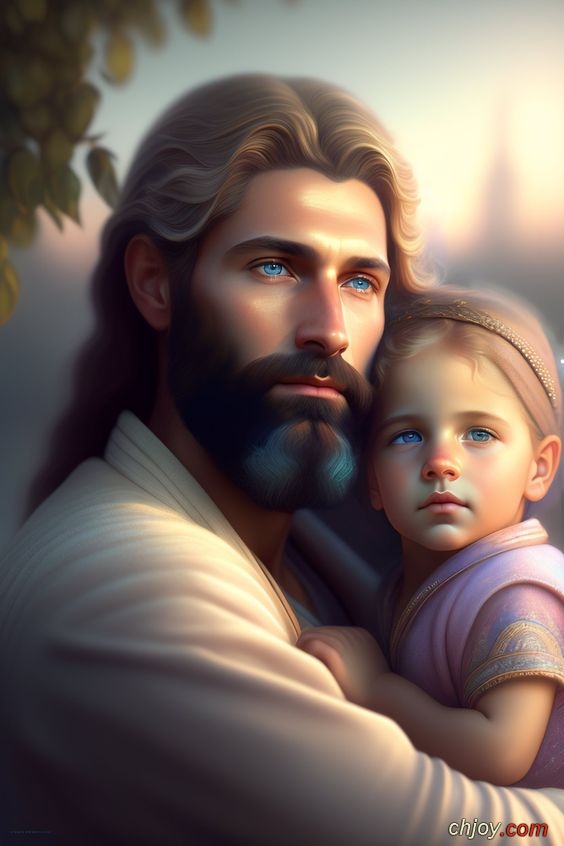 Jesus’ life, death, and resurrection The Bible records how Jesus fulfilled prophecy when He was born to the virgin Mary. He grew up unique from any other human because He never sinned (1 Peter 2:22). Crowds flocked to hear His teaching and marvel at His miracles. Jesus healed the sick, raised the dead, and walked on water. Of all people, Jesus did not deserve to die. Yet Jesus prophesied that He would be crucified and raised from the dead (Matthew 20:18-19). His words came to pass. Soldiers beat Jesus and put a crown of thorns on His head; people mocked and spit on Him; nails pierced His hands and feet into a wooden cross. Jesus had the power to save Himself, but He gave Himself, willingly dying on the cross (John 19:30). Three days later, Jesus rose from the grave! |
||||





 العرض العادي
