
|
 |
 |
 |
 19 - 04 - 2023, 07:11 PM
|
رقم المشاركة : ( 117681 ) | ||||
|
† Admin Woman †

|
 رد: وجبـــــــة روحيـــــ(†)ــــــــــة يوميـــــــــة
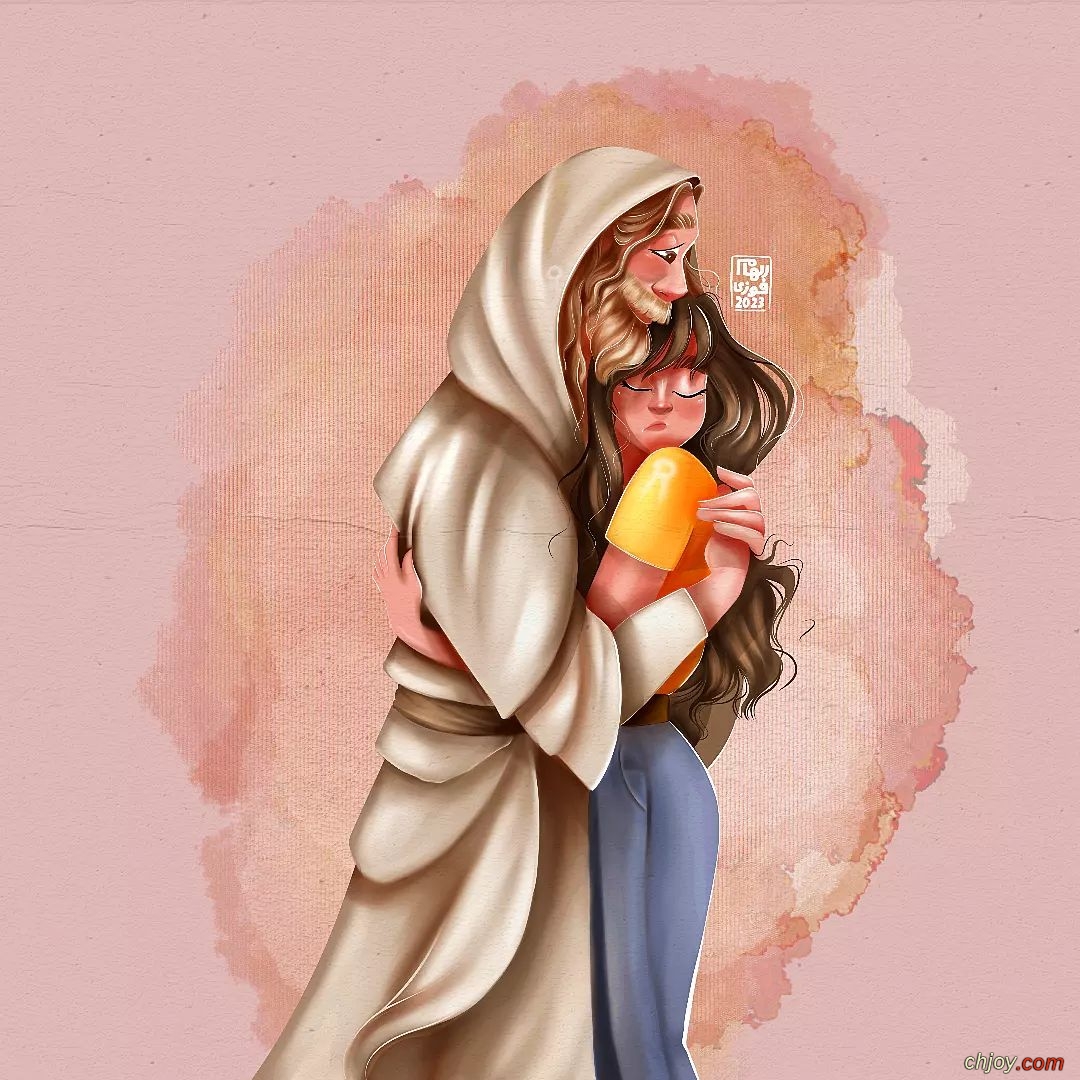 When we evaluate some of God’s actions from our own perspective, we can unwittingly set ourselves in judgment over God. That is a dangerous position to hold because God is our judge; we are not His. We must relinquish our perceived right to adjudge and approve of God’s methods. When we begin our quest for understanding with the premise that God is right, we gain greater insight (Proverbs 3:5–6). |
||||
|
19 - 04 - 2023, 07:13 PM
|
رقم المشاركة : ( 117682 ) | ||||
|
† Admin Woman †
|
رد: وجبـــــــة روحيـــــ(†)ــــــــــة يوميـــــــــة
God is perfect; we are not. But when He saves us, the Holy Spirit moves in and begins to transform our imperfections (1 Corinthians 6:19–20; 2 Thessalonians 2:13). God’s goal is that we become “conformed to the image of His Son” (Romans 8:29). Although we know we will never attain absolute perfection in this fallen world, He wants us to pursue it (Hebrews 12:14; 1 Peter 1:14–16). The pursuit itself is of great value because we are working in harmony with what God desires for us. God is perfect. Jesus is perfect. We become perfected as we keep our eyes on Him and seek to imitate Him in every choice we make (Hebrews 12:2–3; Ephesians 5:1). |
||||
|
19 - 04 - 2023, 07:17 PM
|
رقم المشاركة : ( 117683 ) | ||||
|
† Admin Woman †
|
رد: وجبـــــــة روحيـــــ(†)ــــــــــة يوميـــــــــة
What is the throne of God? throne of God There are several references to the throne of God in the Bible. Jesus calls heaven “God’s throne” in Matthew 5:34, recalling God’s statement in Isaiah 66:1, “Heaven is my throne, and the earth is my footstool.” Other references to God’s throne are found in 2 Chronicles 18:18; Psalm 11:4; Hebrews 8:1; 12:2; Revelation 1:4; 3:21; 4:2; and many other verses. A throne is a special seat reserved for a monarch. When the Bible speaks of God’s “throne,” the emphasis is on God’s transcendence, dignity, and sovereign rule. The fact that His throne is in heaven further underscores the transcendent nature of God’s existence. The throne of God need not be thought of as a literal throne. God the Father is incorporeal (John 4:24). Not having a physical body, God does not literally “sit.” References to a divine throne are akin to biblical allusions to God’s “hand” or “mouth” or “eyes”—they are anthropomorphisms, descriptions of God couched in human terms out of deference to our limited knowledge. God has to describe Himself in ways we can understand. Isaiah sees the Lord “high and exalted, seated on a throne; and the train of his robe filled the temple” (Isaiah 6:1). At that time, the prophet was having an inspired vision. God’s throne (and His robe) are not to be taken as literal, physical objects. Rather, God was communicating to Isaiah the magnificence, splendor, and exaltation of His Being. Other descriptions of the throne of God are found in other prophetic visions, e.g., in those of Ezekiel and John. God’s throne is a place of power and authority. In 2 Chronicles 18:18, the prophet Micaiah relates his vision of God’s throne room, in which spirit beings stand in attendance. Compare this to Job 1:6, where God demands answers from the angelic beings summoned there. God’s throne is a place of majesty and honor. The Bible says that, when Jesus ascended to heaven, He “sat down at the right hand of the throne of God” (Hebrews 12:2). There is no higher place than heaven. God is the King of heaven, and Jesus holds the place of honor at God’s right hand. God’s throne is a place of perfect justice. “He has prepared His throne for judgment” (Psalm 9:7; cf. 89:14). The final judgment, described in Revelation 20, is held before “a great white throne” (verse 11). God’s throne is a place of sovereignty and holiness. “God reigns over the nations; God is seated on his holy throne” (Psalm 47:8; cf. 103:19). He does whatever He pleases, and all He does is good. God’s throne is a place of praise. John’s vision of heaven includes a scene in which a “new song” is sung in praise to the One who occupies the throne (Revelation 14:3). Around the throne, the praise of God is surely “glorious” (Psalm 66:2). God’s throne is a place of purity. Only the redeemed, those who have been granted the righteousness of Christ, will have the right to stand before His throne (Revelation 14:5). God’s throne is a place of eternal life. God is the Source of life. In heaven, John sees “the river of the water of life, as clear as crystal, flowing from the throne of God and of the Lamb” (Revelation 22:1). God’s throne is a place of grace. Not only does the throne of God represent judgment for the unbeliever, but it also represents mercy and grace for His children. “Let us then approach God’s throne of grace with confidence, so that we may receive mercy and find grace to help us in our time of need” (Hebrews 4:16). Inside the Jewish temple was the Ark of the Covenant, which was a “copy of the true” (Hebrews 9:24), and it had a “mercy seat” where God’s presence would appear (Leviticus 16:2, ESV). One day, all creation will bow to the majesty of God’s throne (Philippians 2:9–11). The regal beings surrounding the throne of God will “lay their crowns before the throne and say: ‘You are worthy, our Lord and God, to receive glory and honor and power’” (Revelation 4:10–11). |
||||
|
19 - 04 - 2023, 07:20 PM
|
رقم المشاركة : ( 117684 ) | ||||
|
† Admin Woman †
|
رد: وجبـــــــة روحيـــــ(†)ــــــــــة يوميـــــــــة
There are several references to the throne of God in the Bible. Jesus calls heaven “God’s throne” in Matthew 5:34, recalling God’s statement in Isaiah 66:1, “Heaven is my throne, and the earth is my footstool.” Other references to God’s throne are found in 2 Chronicles 18:18; Psalm 11:4; Hebrews 8:1; 12:2; Revelation 1:4; 3:21; 4:2; and many other verses. |
||||
|
19 - 04 - 2023, 07:21 PM
|
رقم المشاركة : ( 117685 ) | ||||
|
† Admin Woman †
|
رد: وجبـــــــة روحيـــــ(†)ــــــــــة يوميـــــــــة
A throne is a special seat reserved for a monarch. When the Bible speaks of God’s “throne,” the emphasis is on God’s transcendence, dignity, and sovereign rule. The fact that His throne is in heaven further underscores the transcendent nature of God’s existence. |
||||
|
19 - 04 - 2023, 07:24 PM
|
رقم المشاركة : ( 117686 ) | ||||
|
† Admin Woman †
|
رد: وجبـــــــة روحيـــــ(†)ــــــــــة يوميـــــــــة
The throne of God need not be thought of as a literal throne. God the Father is incorporeal (John 4:24). Not having a physical body, God does not literally “sit.” References to a divine throne are akin to biblical allusions to God’s “hand” or “mouth” or “eyes”—they are anthropomorphisms, descriptions of God couched in human terms out of deference to our limited knowledge. God has to describe Himself in ways we can understand. |
||||
|
19 - 04 - 2023, 07:25 PM
|
رقم المشاركة : ( 117687 ) | ||||
|
† Admin Woman †
|
رد: وجبـــــــة روحيـــــ(†)ــــــــــة يوميـــــــــة
Isaiah sees the Lord “high and exalted, seated on a throne; and the train of his robe filled the temple” (Isaiah 6:1). At that time, the prophet was having an inspired vision. God’s throne (and His robe) are not to be taken as literal, physical objects. Rather, God was communicating to Isaiah the magnificence, splendor, and exaltation of His Being. Other descriptions of the throne of God are found in other prophetic visions, e.g., in those of Ezekiel and John. . |
||||
|
19 - 04 - 2023, 07:26 PM
|
رقم المشاركة : ( 117688 ) | ||||
|
† Admin Woman †
|
رد: وجبـــــــة روحيـــــ(†)ــــــــــة يوميـــــــــة
God’s throne is a place of power and authority. In 2 Chronicles 18:18, the prophet Micaiah relates his vision of God’s throne room, in which spirit beings stand in attendance. Compare this to Job 1:6, where God demands answers from the angelic beings summoned there. |
||||
|
19 - 04 - 2023, 07:27 PM
|
رقم المشاركة : ( 117689 ) | ||||
|
† Admin Woman †
|
رد: وجبـــــــة روحيـــــ(†)ــــــــــة يوميـــــــــة
God’s throne is a place of majesty and honor. The Bible says that, when Jesus ascended to heaven, He “sat down at the right hand of the throne of God” (Hebrews 12:2). There is no higher place than heaven. God is the King of heaven, and Jesus holds the place of honor at God’s right hand. |
||||
|
19 - 04 - 2023, 07:27 PM
|
رقم المشاركة : ( 117690 ) | ||||
|
† Admin Woman †
|
رد: وجبـــــــة روحيـــــ(†)ــــــــــة يوميـــــــــة
God’s throne is a place of perfect justice. “He has prepared His throne for judgment” (Psalm 9:7; cf. 89:14). The final judgment, described in Revelation 20, is held before “a great white throne” (verse 11). . |
||||





 العرض العادي
