
|
 |
 |
 |
 08 - 04 - 2023, 02:31 PM
|
رقم المشاركة : ( 116551 ) | ||||
|
† Admin Woman †

|
 رد: وجبـــــــة روحيـــــ(†)ــــــــــة يوميـــــــــة
 What does it mean that God is love? Let’s look at how the Bible describes love, and then we will see a few ways in which God is the essence of love. “Love is patient, love is kind. It does not envy, it does not boast, it is not proud. It is not rude, it is not self-seeking, it is not easily angered, it keeps no record of wrongs. Love does not delight in evil but rejoices with the truth. It always protects, always trusts, always hopes, always perseveres. Love never fails” (1 Corinthians 13:4-8a). This is God’s description of love, and because God is love (1 John 4:8), this is what He is like. In love, God does not force Himself on anyone. Those who come to Him do so in response to His love. In love, God shows kindness to all. In love, Jesus went about doing good to everyone without partiality. In love, Jesus did not covet what others had, living a humble life without complaining. In love, Jesus did not brag about who He was in the flesh, although He could have overpowered anyone He ever came in contact with. In love, Jesus willingly obeyed His Father in heaven. “The world must learn that I love the Father and that I do exactly what my Father has commanded me” (John 14:31). In love, Jesus was/is always looking out for the interests of others. The greatest expression of God’s love is communicated to us in John 3:16: “For God so loved the world that he gave his one and only Son, that whoever believes in him shall not perish but have eternal life.” Romans 5:8 proclaims the same message: “But God demonstrates his own love for us in this: While we were still sinners, Christ died for us.” We can see from these verses that it is God’s greatest desire that we join Him in His eternal home, heaven. He has made the way possible by paying the price for our sins. He loves us because He chose to as an act of His will. Love forgives. “If we confess our sins, he is faithful and just and will forgive us our sins and purify us from all unrighteousness” (1 John 1:9). So, what does it mean that God is love? Love is an attribute of God. Love is a core aspect of God’s character, His Person. God’s love is in no sense in conflict with His holiness, righteousness, justice, or even His wrath. All of God’s attributes are in perfect harmony. Everything God does is loving, just as everything He does is just and right. God is the perfect example of true love. Amazingly, God has given those who receive His Son Jesus as their personal Savior the ability to love as He does, through the power of the Holy Spirit (John 1:12; 1 John 3:1, 23-24). |
||||
|
08 - 04 - 2023, 02:33 PM
|
رقم المشاركة : ( 116552 ) | ||||
|
† Admin Woman †
|
رد: وجبـــــــة روحيـــــ(†)ــــــــــة يوميـــــــــة
What does it mean that God is omnibenevolent? The word omnibenevolent comes from the Latin word omni, meaning “all,” and the word benevolent, meaning “good” or “charitable.” When we say that God is omnibenevolent, we are saying that God is absolutely good and that no action or motive or thought or feeling or anything else about Him is not purely good. He is “all-good.” The Bible provides many testimonies of God’s goodness, including Jesus’ own, when He asserted that no one is truly good except God Himself (Mark 10:18). This can only mean that, although human beings can do good things, only God is omnibenevolent, or wholly good. To believe in a perfect being, one must accept that God can be omnibenevolent. If God is completely self-sustaining, independent of need, the “un-caused cause” and “un-moved mover,” He must also be perfectly good. If God were simply a good and powerful being, but not perfectly good, there would be an element of contingency. That is, we could conceive of a being of potentially greater benevolence—and someone with greater goodness would be greater than God. Since the goodness of anything is measured by its perfection, God must be perfectly good in order to also be omniscient and omnipotent. All three aspects of His person must be in place for us to conceive of any one of the three. The most common objection to the assertion that God is omnibenevolent, as well as omnipotent and omniscient, is the problem of evil. If God is all-knowing and all-powerful and perfectly good, why does evil exist? Philosophers debate this question endlessly. Some solve the problem by saying that Lucifer’s and then, later, man’s free will was the cause of evil and that God was not involved in causing evil. One might then ask, “Why then did God create a being who could choose evil?” and the typical answer to that is “because He wanted beings who would be able to make choices”; i.e., He did not want robots. Philosophically speaking, God’s omnibenevolence is a complicated issue. The problem of evil is a complex one. However, we do know that, for God to be God, He must be omnibenevolent, omnipotent, and omniscient. And, really, the issue comes down to believing the Bible, which presents God as always good (Psalm 106:1; 135:3; Nahum 1:7). His message to sinners, through Christ, is “good news” (Luke 2:10); His revelation of Christ is called the appearing of “the goodness and loving kindness of God our Savior” (Titus 3:4, ESV). It is the goodness of God that leads us to repentance (Romans 2:4), goodness is one of the results of His indwelling Spirit (Galatians 5:22), and He brings goodness to fruition in our lives through faith (2 Thessalonians 1:11). |
||||
|
08 - 04 - 2023, 02:34 PM
|
رقم المشاركة : ( 116553 ) | ||||
|
† Admin Woman †
|
رد: وجبـــــــة روحيـــــ(†)ــــــــــة يوميـــــــــة
What does it mean that God is merciful? God being merciful basically means that, when we deserve punishment, He doesn’t punish us, and in fact blesses us instead. Mercy is the withholding of a just condemnation. Throughout the Bible, God gives many illustrations of His mercy. God fully demonstrates His mercy in Jesus Christ. God was merciful to the wayward Solomon in 1 Kings 11:13. God was merciful to Israel in captivity (Psalm 106:45; Nehemiah 9:31). David illustrated God’s mercy when he showed kindness to Mephibosheth (2 Samuel 9:7). God’s mercy was illustrated every year on the Day of Atonement, when the high priest entered the Holiest Place and sprinkled the blood of the sacrifice before the mercy seat (Leviticus 16:14). Another illustration of God’s mercy is found in Matthew 18:23–27. In this parable, Jesus describes a rich ruler who was owed a large sum of money. The ruler ordered that money be collected, but then the debtor came and begged for mercy. The ruler, in turn, graciously forgives the debt. Here’s the point: we owed God a debt we could never repay, and He has freely forgiven us that debt in Christ! Interestingly, after the ruler in the parable forgives the debt, the person who owed the money refuses to forgive someone else. The ruler then judges that ungrateful person. God requires us to be merciful and forgiving to others here on earth (see Matthew 6:15). We who have been forgiven so much have no right to withhold forgiveness from others. Mercy is coupled with other attributes of God in Psalm 86:15, “You, O Lord, are a God merciful and gracious, slow to anger and abounding in steadfast love and faithfulness” (ESV). God’s mercy is rooted in His love for us. He is merciful, in large part, because He is love (1 John 4:8). As sinners, we deserve punishment (Romans 3:23). God’s righteousness requires punishment for sin—He wouldn’t be holy otherwise. Since God does love us and is merciful, He sent His Son (John 3:16). The fullness of His mercy is seen in Matthew 27. Jesus is brutally beaten and murdered on our behalf; Jesus received our just condemnation, and we received God’s mercy. Because of His love for us, God wants us to be with Him. His mercy is required for that to take place; there is an inseparable connection between God’s love and mercy. Jesus laid down His life and became the sacrificial lamb (Isaiah 53:7; John 1:29) so that God’s mercy could be extended to us. Instead of punishing us for our sin, God allowed His Son to take the condemnation in our place. That is the ultimate act of God’s mercy (see Ephesians 2:4–5). To our eternal benefit, “mercy triumphs over judgment” (James 2:13b). |
||||
|
08 - 04 - 2023, 02:35 PM
|
رقم المشاركة : ( 116554 ) | ||||
|
† Admin Woman †
|
رد: وجبـــــــة روحيـــــ(†)ــــــــــة يوميـــــــــة
God being merciful basically means that, when we deserve punishment, He doesn’t punish us, and in fact blesses us instead. Mercy is the withholding of a just condemnation. Throughout the Bible, God gives many illustrations of His mercy. God fully demonstrates His mercy in Jesus Christ. |
||||
|
08 - 04 - 2023, 02:36 PM
|
رقم المشاركة : ( 116555 ) | ||||
|
† Admin Woman †
|
رد: وجبـــــــة روحيـــــ(†)ــــــــــة يوميـــــــــة
God was merciful to the wayward Solomon in 1 Kings 11:13. God was merciful to Israel in captivity (Psalm 106:45; Nehemiah 9:31). David illustrated God’s mercy when he showed kindness to Mephibosheth (2 Samuel 9:7). God’s mercy was illustrated every year on the Day of Atonement, when the high priest entered the Holiest Place and sprinkled the blood of the sacrifice before the mercy seat (Leviticus 16:14).. |
||||
|
08 - 04 - 2023, 02:37 PM
|
رقم المشاركة : ( 116556 ) | ||||
|
† Admin Woman †
|
رد: وجبـــــــة روحيـــــ(†)ــــــــــة يوميـــــــــة
Another illustration of God’s mercy is found in Matthew 18:23–27. In this parable, Jesus describes a rich ruler who was owed a large sum of money. The ruler ordered that money be collected, but then the debtor came and begged for mercy. The ruler, in turn, graciously forgives the debt. Here’s the point: we owed God a debt we could never repay, and He has freely forgiven us that debt in Christ! Interestingly, after the ruler in the parable forgives the debt, the person who owed the money refuses to forgive someone else. The ruler then judges that ungrateful person. God requires us to be merciful and forgiving to others here on earth (see Matthew 6:15). We who have been forgiven so much have no right to withhold forgiveness from others |
||||
|
08 - 04 - 2023, 02:38 PM
|
رقم المشاركة : ( 116557 ) | ||||
|
† Admin Woman †
|
رد: وجبـــــــة روحيـــــ(†)ــــــــــة يوميـــــــــة
Mercy is coupled with other attributes of God in Psalm 86:15, “You, O Lord, are a God merciful and gracious, slow to anger and abounding in steadfast love and faithfulness” (ESV). God’s mercy is rooted in His love for us. He is merciful, in large part, because He is love (1 John 4:8). As sinners, we deserve punishment (Romans 3:23). God’s righteousness requires punishment for sin—He wouldn’t be holy otherwise. Since God does love us and is merciful, He sent His Son (John 3:16). The fullness of His mercy is seen in Matthew 27. Jesus is brutally beaten and murdered on our behalf; Jesus received our just condemnation, and we received God’s mercy. |
||||
|
08 - 04 - 2023, 02:40 PM
|
رقم المشاركة : ( 116558 ) | ||||
|
† Admin Woman †
|
رد: وجبـــــــة روحيـــــ(†)ــــــــــة يوميـــــــــة
Because of His love for us, God wants us to be with Him. His mercy is required for that to take place; there is an inseparable connection between God’s love and mercy. Jesus laid down His life and became the sacrificial lamb (Isaiah 53:7; John 1:29) so that God’s mercy could be extended to us. Instead of punishing us for our sin, God allowed His Son to take the condemnation in our place. That is the ultimate act of God’s mercy (see Ephesians 2:4–5). To our eternal benefit, “mercy triumphs over judgment” (James 2:13b). |
||||
|
08 - 04 - 2023, 02:42 PM
|
رقم المشاركة : ( 116559 ) | ||||
|
† Admin Woman †
|
رد: وجبـــــــة روحيـــــ(†)ــــــــــة يوميـــــــــة
What is the grace of God? Grace is a constant theme in the Bible, and it culminates in the New Testament with the coming of Jesus (John 1:17). The word translated "grace" in the New Testament comes from the Greek word charis, which means “favor, blessing, or kindness.” We can all extend grace to others; but when the word grace is used in connection with God, it takes on a more powerful meaning. Grace is God choosing to bless us rather than curse us as our sin deserves. It is His benevolence to the undeserving. Ephesians 2:8 says, “For by grace are you saved, through faith, and that not of yourselves.” The only way any of us can enter into a relationship with God is because of His grace toward us. Grace began in the Garden of Eden when God killed an animal to cover the sin of Adam and Eve (Genesis 3:21). He could have killed the first humans right then for their disobedience. But rather than destroy them, He chose to make a way for them to be right with Him. That pattern of grace continued throughout the Old Testament when God instituted blood sacrifices as a means to atone for sinful men. It was not the physical blood of those sacrifices, per se, that cleansed sinners; it was the grace of God that forgave those who trusted in Him (Hebrews 10:4; Genesis 15:6). Sinful men showed their faith by offering the sacrifices that God required. The apostle Paul began many of his letters with the phrase, "Grace and peace to you from God our Father and the Lord Jesus Christ" (Romans 1:7; Ephesians 1:1; 1 Corinthians 1:3). God is the instigator of grace, and it is from Him that all other grace flows. God shows both mercy and grace, but they are not the same. Mercy withholds a punishment we deserve; grace gives a blessing we don’t deserve. In mercy, God chose to cancel our sin debt by sacrificing His perfect Son in our place (Titus 3:5; 2 Corinthians 5:21). But He goes even further than mercy and extends grace to His enemies (Romans 5:10). He offers us forgiveness (Hebrews 8:12; Ephesians 1:7), reconciliation (Colossians 1:19-20), abundant life (John 10:10), eternal treasure (Luke 12:33), His Holy Spirit (Luke 11:13), and a place in heaven with Him some day (John 3:16-18) when we accept His offer and place our faith in His sacrifice. Grace is God giving the greatest treasure to the least deserving—which is every one of us. |
||||
|
08 - 04 - 2023, 02:45 PM
|
رقم المشاركة : ( 116560 ) | ||||
|
† Admin Woman †
|
رد: وجبـــــــة روحيـــــ(†)ــــــــــة يوميـــــــــة
أحد الشعانين 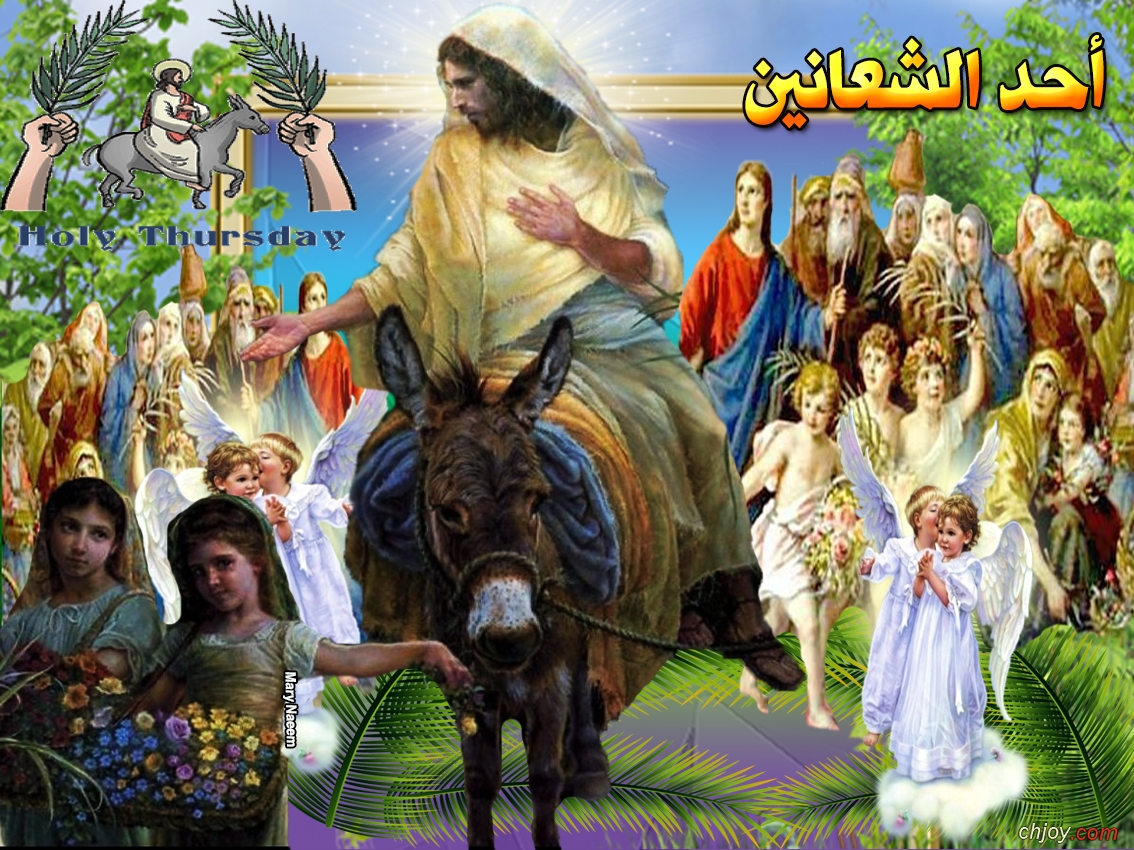 |
||||





 العرض العادي
